
Greenkeepers - The Dawn Patrol
26. Mai 2026
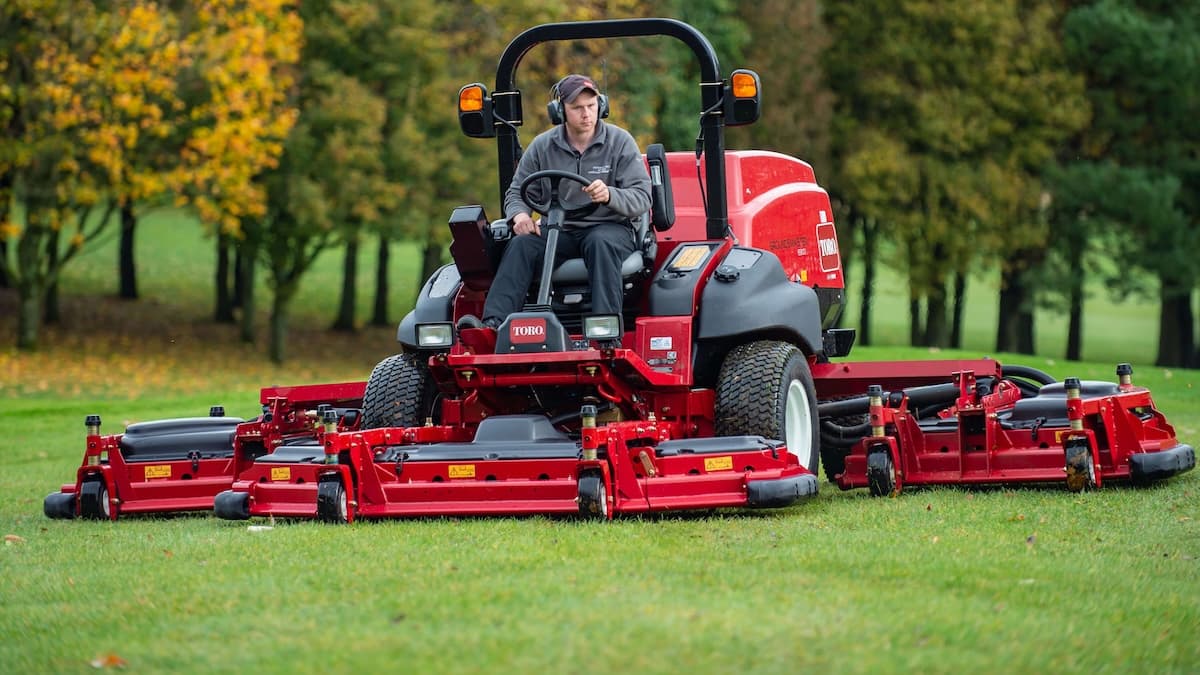
Greenkeepers - The Dawn Patrol is a short golf blog post that takes an in-depth look at some of the important jobs that occur before you arrive at the course.
We’ve all had those mornings. You arrive at the course, the dew is fresh on the ground, the sun is breaking through the trees, and the greens look like velvet.
It feels effortless—as if the golf course simply woke up looking that pristine.
But as a PGA Fellow Professional, I’ve spent decades seeing the course from both sides of the ball.
And let me tell you: what looks like magic is actually the result of meticulous, exhausting, and highly scientific work.
While you're still drinking your first cup of coffee, the greenkeeping crew has already put in hours of hard labour.
Today, I pull back the curtain on the unsung heroes of our game and look at the fascinating, high-tech, and environmentally conscious daily routine of a greenkeeper. The kind of jobs that most golfers never see.
The Dawn Patrol: Whipping and Dew Removal
Before a single mower touches a blade of grass, greenkeepers are out on the greens performing a ritual known as "whipping" or "swishing."
Armed with long, flexible fibreglass poles or dragging heavy ropes across the turf, they sweep the surface of the greens to clear the morning dew.
Why? It’s not just to stop your early-morning putts from splashing.
- Disease Prevention: Damp, stagnant moisture is a breeding ground for fungal turf diseases like Dollar Spot and Fusarium patch.
Removing dew allows the leaf to dry quickly. - Mower Protection: Mowing wet grass creates a ragged cut, tearing the plant rather than cleanly slicing it.

The Weight of the Yield: Clipping Volume (The Ultimate Greenkeeping Secret)
If you think greenkeepers just empty the mower baskets into a trailer and move on, think again.
On many modern, championship-calibre courses, greenkeepers are actually weighing the grass clippings from every single green, every single day.
This process measures "Clipping Volume" ($ClV$), and it is transforming how golf courses are managed.
- The Process: After mowing a green, the worker empties the clippings into a bucket and weighs them.
(often measuring the volume in litres or kilograms per hundred square meters). - The Science: The weight of the grass cut tells the Course Manager exactly how fast the turf is growing.
If the clippings from the 4th green weigh significantly more than the 5th green, it means the 4th green is growing too rapidly. - Precision Feeding and Watering: Instead of blindly fertilising the whole course on a set schedule, teams use this data to customise care.
High clipping weight means the grass has plenty of energy, so they hold back on fertiliser and water to keep the surface firm and fast.
Low clipping weight means the grass is stressed and needs a precise "feed" of nutrients.
This data-driven approach prevents over-watering, saves money on chemicals, and ensures identical rolling speeds from the 1st green to the 18th.
The Science of the "Stimp": Soil and Moisture Management
Great greens don't happen by accident. Modern greenkeeping is as much about data science as it is about agronomy.
Alongside weighing clippings, the team checks soil moisture levels daily using specialised digital moisture meters (POGO or TDR probes).
They plunge these prongs into the ground at multiple points on each green.
They aren't just guessing when to turn the sprinklers on. In fact, over-watering is the enemy of fast, firm greens because it creates soft, spongy turf.
Greenkeepers manage volumetric water content (VWC) down to the exact percentage to ensure the root system stays healthy while keeping the surface firm enough to reward a properly struck approach shot.
The Height of Precision: A Breakdown of the Cuts
To create the visual definition and playing conditions we love, a greenkeeper must meticulously maintain a multi-tiered ecosystem of grass lengths.
While these can vary slightly based on grass type and the season, here is the standard daily breakdown of cutting heights across the course:
Putting Greens 0.10" – 0.125" or 2.5mm – 3.2mm, daily
Green Surrounds / Aprons – 0.25" – 0.375" or 6mm – 10mm, 3–4 times a week
Tee Boxes 0.25" – 0.50" or 6mm – 12mm, 3–4 times a week
Fairways 0.375" – 0.50" or 10mm – 12mm, 3–4 times a week
Semi-Rough (The "First Cut") 1.0" – 1.5" or 25mm – 38mm, 1–2 times a week
Primary Rough 2.0" – 3.5" or 50mm – 90mm, once a week

The Moving Targets: Managing Teeing Grounds and Markers
Most golfers pull up to a tee box, stick their peg in the ground between the markers, and smash a drive without a second thought.
But the exact placement of those tee markers is part of a deliberate, daily mathematical rotation managed by the greenkeeping team.
Why do they move the markers almost every single morning? It comes down to three crucial factors:
- Wear and Tear Management: The physical act of hitting a golf shot—combined with the twisting force of a golfer's stance—puts immense stress on the turf. Shifting the blocks allows the used sections of the tee box to rest, recover, and regrow.
- The "Two-Club-Length" Rule: According to the Rules of Golf, you can tee your ball up to two club-lengths behind the front edge of the markers.
Greenkeepers must ensure that the entire rectangular area behind the markers is perfectly level and free of old, unhealed divots so you always have a fair stance. - Altering Course Strategy: By moving the blocks forward, backwards, or shifting them laterally, greenkeepers completely change the angle and strategy of the hole, keeping the course fresh for regular players.
Stewards of the Land: Eco-Friendly Management and Biodiversity
Modern golf courses are no longer just sports venues; they are massive wildlife sanctuaries.
A huge, invisible portion of a greenkeeper's job involves managing the 60% to 70% of the club's acreage that isn't directly played on, turning it into a thriving, eco-friendly ecosystem.
- "No-Mow" Zones and Wildflower Meadows: Those out-of-play areas are deliberately left wild to provide essential habitats for pollinators like bees and butterflies. Less mowing also means a massive reduction in the club’s carbon footprint and fuel consumption.
- Integrated Pest Management (IPM): The days of drenching a course in heavy pesticides are long gone.
Greenkeepers use predatory insects, organic compost teas, and fungal-resistant grass strains to combat diseases naturally. - Water Recycling and Filtering: Many clubs feature sophisticated closed-loop wash pads where mowers are cleaned.
The greenkeepers manage systems that separate oil and grass clippings from the water, filtering and recycling it.
Repairing the Scars: The Endless War on Divots
We’ve all seen the sand buckets on the tee boxes or the seed bags attached to golf carts, but the sheer scale of divot recovery handled by the crew is staggering.
Every single day, greenkeepers spend hours walking the course specifically to repair the turf damage left behind by hundreds of golf swings.
- The Perfect Mix: Back at the shed, the team creates a custom blend of nutrient-rich topdressing sand, soil, and specific grass seed varieties.
This mix is formulated to retain just enough moisture to trigger rapid germination. - Par-3 Teeing Grounds: Because everyone hits an iron on a par-3, these tee boxes take an absolute beating.
Greenkeepers systematically walk these areas with scoops, filling every crater, levelling the sand perfectly flush with the existing grass, and stamping it down.
If a divot is left hollow, it creates an uneven stance; if it's overfilled, it can ruin a mower blade on that tight tee box cut. - Fairway Sweeps: Crew members will often drive or walk the fairways in a grid pattern, hand-filling the deep pelican-style divots that players forgot to replace. It’s a tedious, back-breaking job, but it’s the only way to ensure that your perfect drive down the middle doesn't end up sitting in someone else's old hole.
Changing the Pins (It’s More Than Just Digging a Hole)
We’ve all walked up to a pin position and thought, "Who picked this brutal spot?" But changing a hole location is a precise art form.
Greenkeepers don't just randomly plunge the hole cutter into the turf.
They have to factor in traffic management to prevent the turf around yesterday’s cup from dying, the "six-foot rule" to ensure the area immediately surrounding the hole is flat, and agronomic recovery. When extracting the turf plug for the new hole, they carefully transplant it into the old hole, seamlessly levelling, knitting the edges, and using their sand-and-seed mix to ensure it heals without leaving a scar.
The Micro-Mowing Marathon
Every single day, mower blades are checked, adjusted, and sharpened down to a fraction of a millimetre using specialised grinding machines.
When the crew cuts the greens, they are managing the health of a plant that is being deliberately stressed by being kept at heights as low as 2.5mm.
It requires a perfectly steady hand, a consistent walking pace, and immense concentration to ensure no "scalping" occurs on undulating surfaces.
Bunker Science: Getting the Depth Right and Reducing Waste
According to USGA guidelines, the ideal sand depth for a bunker floor is 4 to 6 inches.
The sand on the steep slopes and faces should only be about 2 to 3 inches thick to prevent balls from plugging deep into the banks (the dreaded "fried egg").
Bunker sand is incredibly expensive, and heavy rain can wash thousands of pounds of it down the drains in a single afternoon.
To reduce the massive amount of replacement sand required over a season, greenkeepers use modern bunker liners, mechanical compaction on the faces, and hours of strategic daily shovelling to push migrated sand back up the slopes.
Furthermore, "fly-mowing" the steep banks of a bunker involves swinging a hover-mower on the side of a steep hill—a physically grueling task that requires incredible core strength, balance, and stamina to avoid clipping the sand and ruining the mower blades.

The Deeper Routine: Essential Maintenance Tasks
Beyond the daily cuts, a greenkeeper’s schedule is packed with recurring agronomic tasks that happen on a weekly or bi-weekly cycle:
- Aeration: Pencil-thin solid tines are regularly punched into the greens to let the soil breathe (micro-tining), while verti-cutting slices through horizontal thatch to keep the greens from getting slow and "grainy."
- Iron and Nutrient Spraying: Liquid cocktails of iron, nitrogen, and wetting agents are sprayed early in the morning to give the course that rich colour and protect it from heat stress.
- Irrigation Audits and Drainage Clearing: The team manually turns on every single zone of the intricate irrigation system to check the spray arc and clears out drainage ditches to keep water moving off the playing surfaces.
The Golfer’s Part: How We Can Help the Crew
As players, we are the ones enjoying the fruits of this intense labour. But we also possess the power to make a greenkeeper's job significantly easier—or much harder. If you want to help maintain tournament-quality conditions at your club, here is the unwritten golfer's manifesto:
- Repair Your Pitch Marks (Plus One More): A fresh pitch mark on a green repaired within 10 minutes heals completely within 24 hours.
A pitch mark left unattended for an hour takes up to three weeks to recover, leaving an ugly, bumpy brown scar that the greenkeepers have to manually treat. Make it a habit to fix yours, plus one other left by a lazy player ahead of you. - Replace or Fill Your Divots Properly: If you take a clean, solid divot on a fairway, replace the turf plug firmly and step on it.
If it shatters, use the sand-and-seed bottles provided on your cart or the tee boxes.
Fill it just flush with the grass—never leave it hollow, and never overfill it into a mini sand pyramid that will destroy the next fairway mower blade. - Rake Bunkers Correctly: When you finish hitting from a bunker, rake your footprints completely smooth.
Crucially, leave the rake inside the bunker flat on the sand floor, parallel to the line of play (unless your club has a specific local rule stating otherwise).
Leaving rakes half-in, half-out on the edges forces the greenkeeper to repeatedly stop their mower, get off, move the rake, cut the grass, and replace the rake. Over 18 holes, this adds hours of wasted time to their morning routine. - Respect the Rope and Cart Barriers: When you see a roped-off area, a white line painted on the turf, or a "No Carts" sign, it isn't there to annoy you.
It is protecting highly compacted, stressed, or newly seeded turf that needs a break from heavy foot and wheel traffic to survive. - Give Them Room to Work: If a greenkeeper is working on a hole ahead of you, wait for them to look up and wave you through before hitting your shot.
They are focusing on dangerous machinery or precise measurements—forcing them to duck for cover slows down their morning and puts their safety at risk.
The Takeaway for Your Next Round
The next time you guide a birdie putt across a perfectly true line, find your ball sitting up beautifully on a crisp fairway, or blast out of a perfectly consistent bunker, take a second to appreciate the hidden hours, ecological stewardship, and high-tech data collection that made it possible.
Greenkeepers are the first on the course and the last to leave, operating under the philosophy that if they do their job perfectly, their intense labour remains completely invisible to the untrained eye.
Let's do our part to keep the course pristine. Next time you see a member of the crew out on the course, give them a wave, a thumbs up, or a quick "thanks."
Our clubs and courses couldn't function without them.
What are your thoughts on Greenkeepers - The Dawn Patrol?
Have I missed anything?
To read more of my golf blog posts, click here.