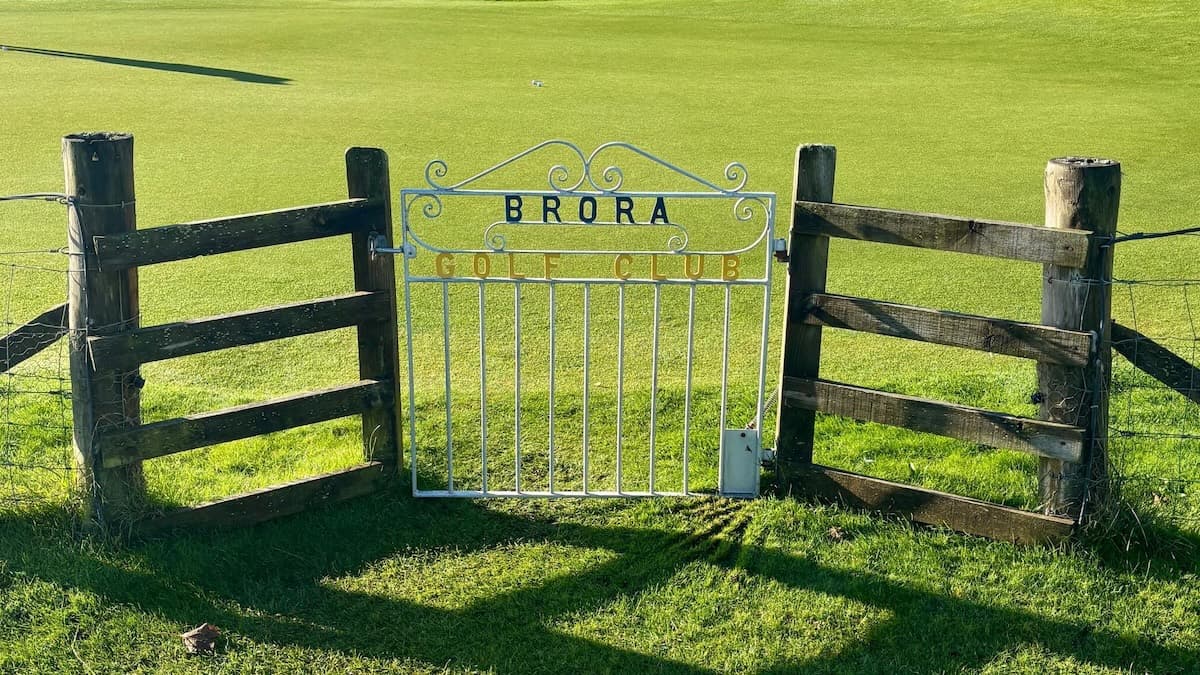
Just twenty minutes north of Royal Dornoch, nestled along the wild edges of Kintradwell Bay, lies a piece of golfing sacred ground that feels entirely untamed. Brora Golf Club is not merely another stop on a Highland itinerary; it is a living, breathing time capsule of pure, unadulterated links golf.

The journey of a modern golf ball is a fascinating story of global engineering, strict quality control, and massive industrial scale. Let's take a look at the secretive factories that build our golf balls and explore the staggering numbers powering the industry.
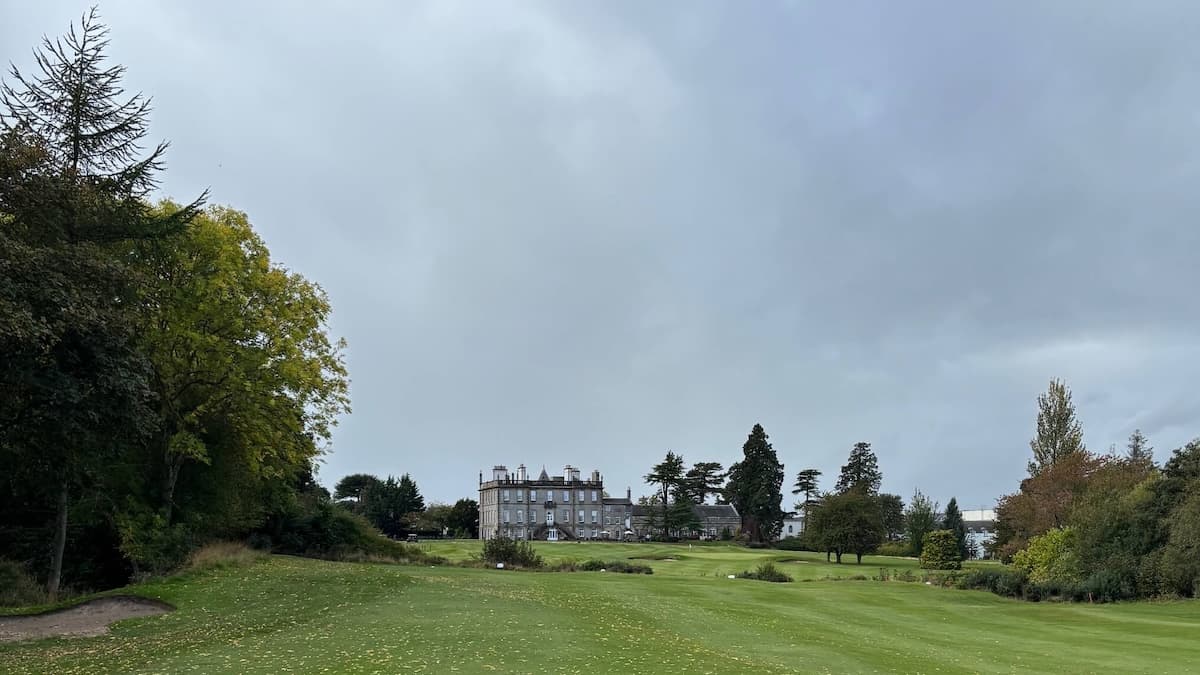
The East Course was designed in 1927 by the five-time Open champion James Braid. Set within 1,000 acres of historic, mature estate parkland, the layout was crafted to test the era’s finest players using natural elevation changes, grand oak and pine corridors, and strategic bunker placements. In 2005, the layout underwent a significant modernisation to extend its length, rework green complexes, and update bunkering to meet modern championship demands.

Even the greatest ball-strikers in history—from Ben Hogan to Jack Nicklaus and Tiger Woods—rarely tried to hit a ball dead straight. They built legendary careers by mastering shot-shaping. If you want to lower your handicap, play with more confidence, and actually enjoy your time on the course, it is time to abandon the straight shot and learn to curve the ball on purpose.
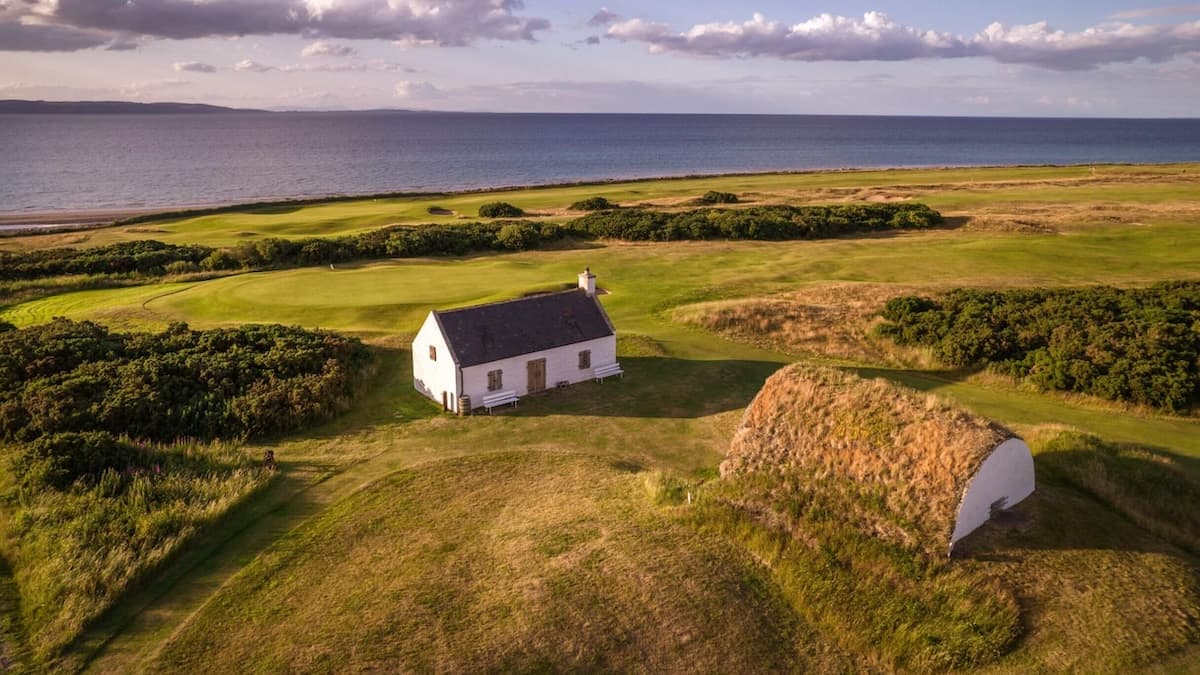
In theory, it is golf’s ultimate pit stop—a brief sanctuary to recalibrate, stretch the legs, refill the tank, and take in the camaraderie of the course before tackling the back nine. Conceptually, I adore it. It is one of the rich, enduring traditions that makes a full 18-hole round feel like a journey rather than just a match. So why do I walk straight past them 90% of the time? Because, frankly, the execution at far too many golf clubs is abysmal.

Every golfer is chasing a benchmark. Whether you’re trying to crack three digits for the first time or attempting to shoot under par, the jump from one scoring tier to the next isn’t just about hitting the ball cleaner. It requires a fundamental shift in how you think, prepare, move, and navigate 18 holes. Here is a breakdown of how Technique, Preparation, Balance, Physicality, Equipment, Mentality, Course Management, and Skill Set evolve across the four major scoring milestones in golf.

European Captain Anna Nordqvist and U.S. Captain Angela Stanford bring two remarkably dynamic squads to this year's edition. Europe aims to reclaim the trophy on home soil, while the United States looks to build on their recent momentum.

With the 20th Solheim Cup taking centre stage at Bernardus Golf in the heart of North Brabant, the international golfing spotlight shifts firmly to the Netherlands. While many travelling golfers associate North-West Europe’s lowlands purely with historic canals, Vermeer, and tulips, those in the know understand that the Dutch sandbelt hides some of the finest, most dramatic inland and links routing on the European continent.

Most amateur golfers approach the first tee in a state of mild panic. They arrive 12 minutes before their tee time, hit five rapid-fire drivers on the range, throw three 40-foot putts across a crowded practice green, and step onto the 1st tee with a racing heart and cold muscles. By the time they settle down on the 4th hole, they’re already 4-over par.

A great round tests your temperament, adaptability, and respect for nature. Similarly, a fine single malt whisky is a pure reflection of its terroir—shaped by local peat, mountain spring water, and decades of maturation in wood. Pairing the two isn't just about convenience; it's about matching the sensory journey of your morning golf with the aroma and flavour of your afternoon tasting.
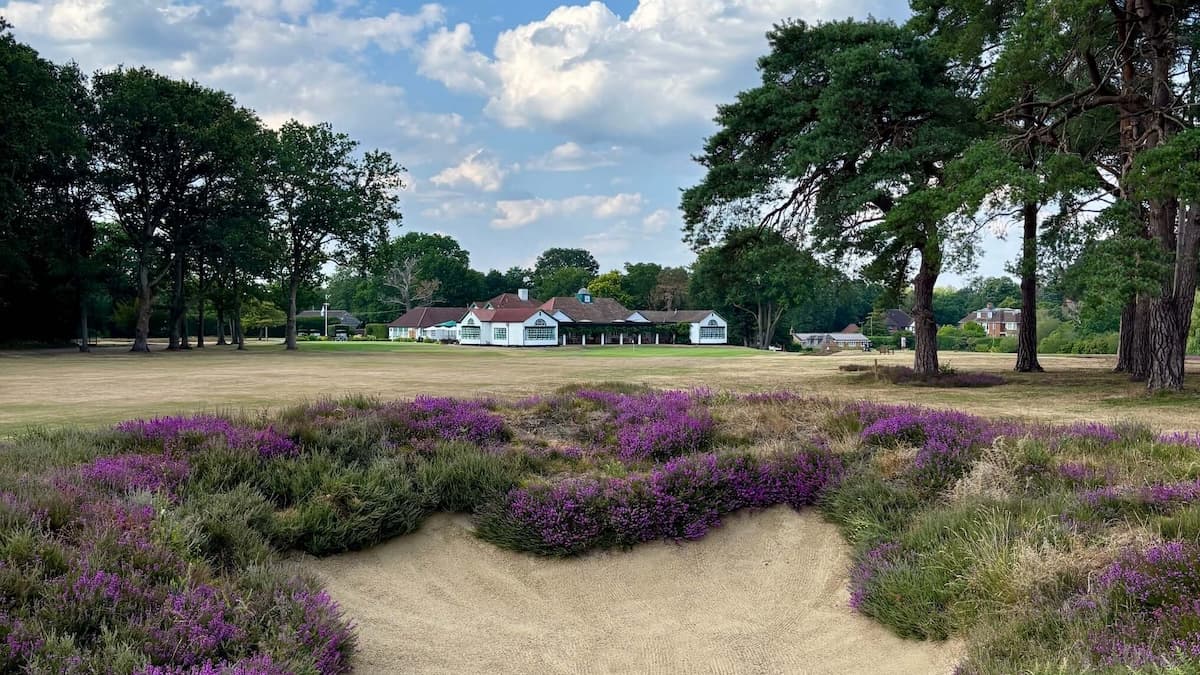
The Surrey sandbelt holds some of the finest inland golf in the world, but few trios capture the true essence of traditional English heathland quite like The 3Ws: Woking, Worplesdon, and West Hill. Situated within minutes of each other just southwest of London, these three courses offer an unmatched combination of purple heather, fast-running fairways, pine-scented air, and strategic architecture.
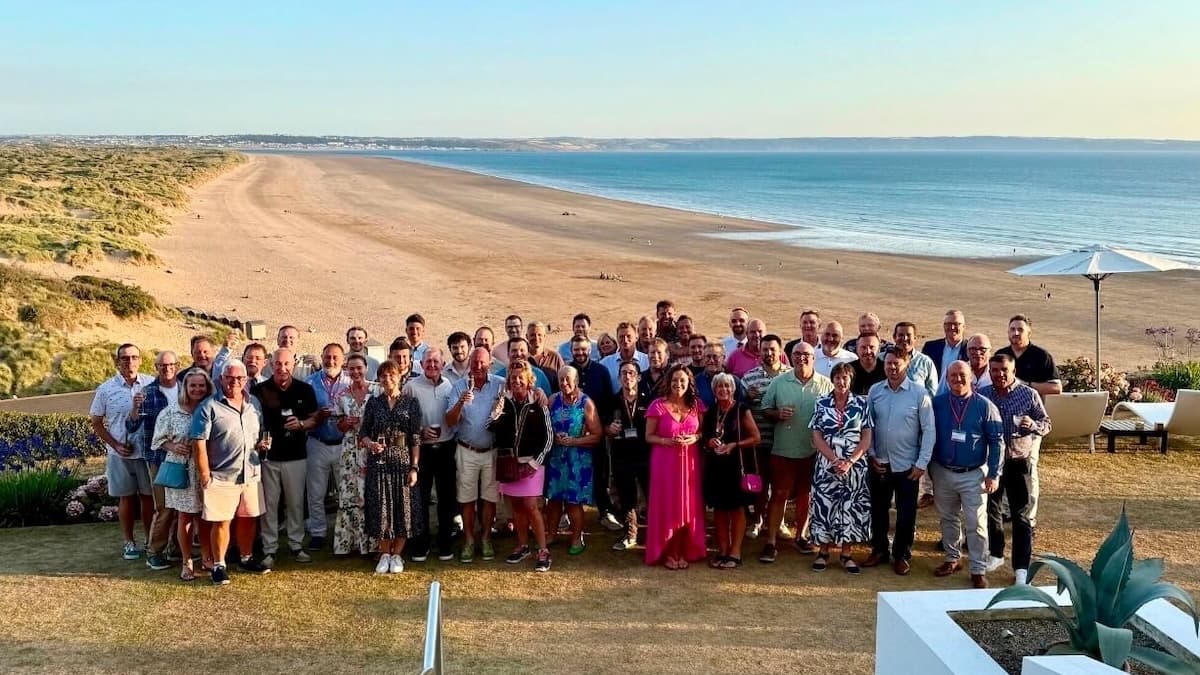
The 7th GTE Convention is a short golf blog post that highlights the work done to help grow golf tourism in England. Few settings in English golf evoke the raw, natural grandeur of North Devon’s rugged coastline. Perched high above three miles of sweeping golden beach, the Saunton Sands Hotel served as the backdrop for the 7th Annual Golf Tourism England (GTE) Convention.
